Nature and Creativity: Finding Inspiration in the Wilderness
Escaping the Fluorescent Trap
Those buzzing overhead lights finally broke us. Dual monitors had seared our retinas for weeks until the creative well ran bone dry. We snapped. Clothes went into duffel bags. We left our meticulously arranged studio behind, aiming the car straight toward the Pacific Northwest. Three hours of driving deposited us deep inside a thick stand of Douglas firs. Trading painted drywall for damp soil altered our entire design process. That raw, physical shift exposed a deep biological bond between nature and creativity. The outdoors physically rewires human circuitry. I will outline exactly how wilderness exposure alters your brain chemistry and detail the steps to weave this dirt-stained habit into an unforgiving daily routine.
Nature and Creativity: The Neuroscience of the Forest Canopy
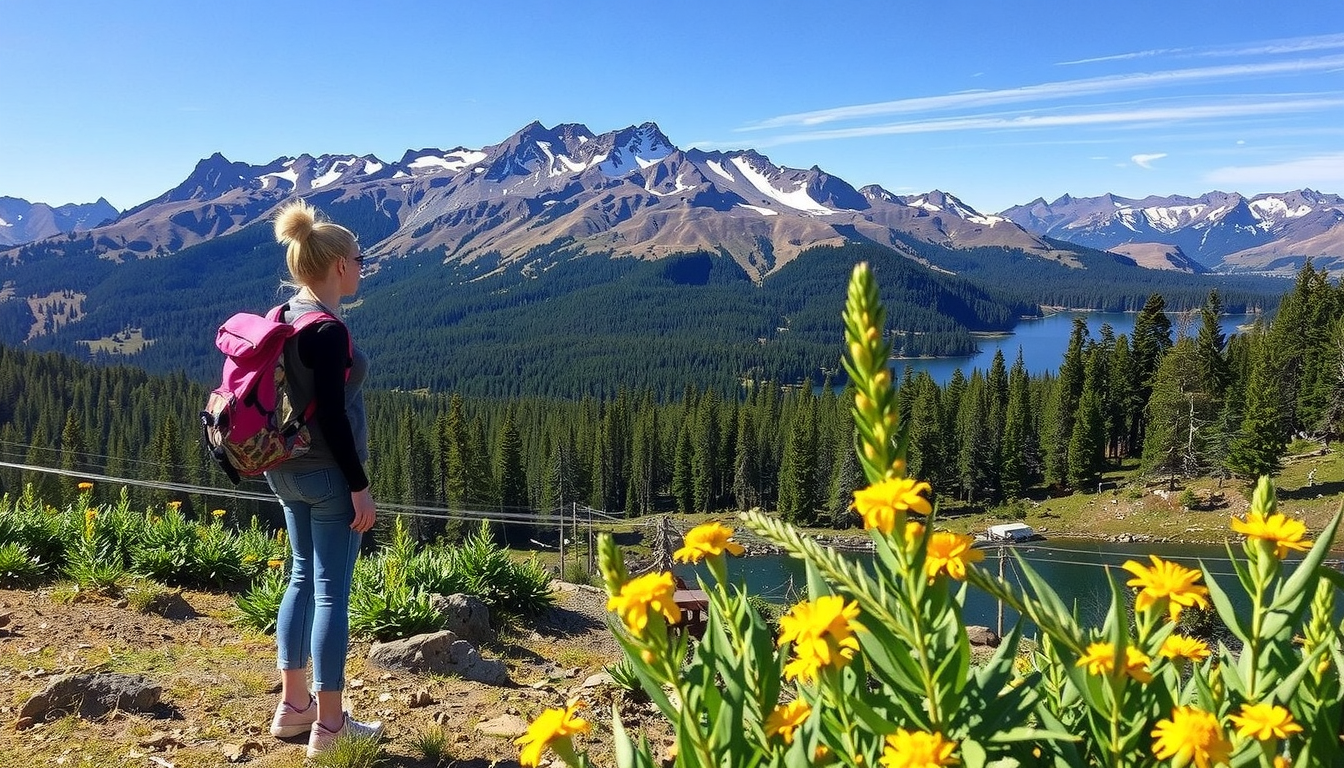
Losing our creative spark was not some mystical curse. It was pure biology. Our prefrontal cortices were running on empty. Cognitive psychologist David Strayer proved this exact phenomenon back in 2012. He sent a group of hikers into the wild for four days without a single electronic device. Their creative problem-solving scores jumped by exactly 50 percent. The mechanics behind this rely on a concept called Attention Restoration Theory. Concrete jungles demand a brutal, exhausting brand of focus. Dodging traffic and clearing endless smartphone alerts drains the mind. The wilderness operates on a completely different frequency. It sparks soft fascination. Your gaze drifts toward rippling creeks or shivering aspen leaves. That gentle observation nudges your mind straight into the default mode network. Daydreams and sudden flashes of brilliance thrive in that specific mental corridor. Brain monitors strapped to people wandering through the timber show a massive surge in alpha waves. Those specific frequencies crush anxiety while blowing the doors off human imagination.
Designing an Analog Excursion
That research left us no choice. We forced the entire team out for a mandatory trail day. The rules were strict. Smartphones remained locked inside car glove boxes. We passed around Blackwing pencils alongside waterproof Rite in the Rain notebooks. Pacific storms roll in fast. That durable stone paper ignores heavy precipitation, ensuring a sudden downpour never ruins an hour of fresh wireframe sketches. The dividends paid out almost immediately. Our lead illustrator had spent days glaring at blank walls, completely frozen on a large branding contract. She finalized the entire visual identity while sitting on a rotting cedar stump, sketching a damp fern. Pressing real graphite into physical pages changes your mental state. Stumbling over exposed roots and jagged rocks forces a completely new internal rhythm. That physical exertion beats glaring at a blinking cursor every single day of the week.
Scaling Exposure with the 20-5-3 Framework
Disappearing into the deep backcountry for four days is rarely an option when client deadlines loom. We desperately needed a manageable system. The 20-5-3 rule became our lifeline. Environmental health experts designed this exact ratio to quantify outdoor exposure. The formula is blunt and highly specific. You spend 20 minutes outside in a local park every single day. Once a month, you dedicate five hours to a wilder space like a state reserve. Every year, you go fully off the grid for three straight days. We forced that daily 20-minute habit onto our staff. Six months later, our internal burnout rates dropped by 30 percent. A brief stroll beneath a tree canopy flips a hard switch inside the parasympathetic nervous system. Cortisol levels plunge by 21 percent. That sudden chemical drop commands the body to relax. Original ideas refuse to surface when your nervous system is fried.
Harvesting a Physical Sensory Library
The forest floor provides a raw catalog of textures and sounds that no digital library can replicate. Georgia O’Keeffe understood this reality on a cellular level. She abandoned city life for the brutal New Mexico desert. Sun-bleached animal bones and jagged sandstone cliffs heavily influenced her vast body of art. We steal a page directly from her playbook. Our team actively hunts for physical scraps during our trail days. Pockets return stuffed full of smooth river stones, splintered cedar driftwood, and dried thistle. Back at the desks, these bits of debris turn into design gold. They anchor our digital textures in reality. Extracting a dusty sage green from a real, withered shrub beats clicking blindly around a software color wheel. Your ears require feeding as well. Escaping the endless whir of cooling fans lets you finally hear the wind tearing through pine needles. Our audio technicians haul heavy boom microphones deep into the brush to capture those exact frequencies. We layer those authentic ambient tracks directly into our commercial video edits.
The Kinesthetic Engine of Ideation
Sweat and heavy breathing act as high-octane fuel for good ideas. Stanford University proved this metric back in 2014. Their researchers discovered that walking spikes creative output by 60 percent compared to sitting slumped in an office chair. We took that hard science and completely altered our routine. We ditched our sterile, glass-walled conference room entirely. Our weekly brainstorming sessions now take place on a dirt path. Hiking at a brisk three miles per hour synchronizes the body with the mind. The rhythmic crunch of boots on gravel distracts your vicious inner critic. Strange, disconnected thoughts violently collide to form brilliant concepts. Last year, our most successful advertising campaign was born on a brutal incline. We verbally hashed out the entire sequence while fighting our way up a miserable two-mile hill.
Transforming Discomfort into Absolute Focus
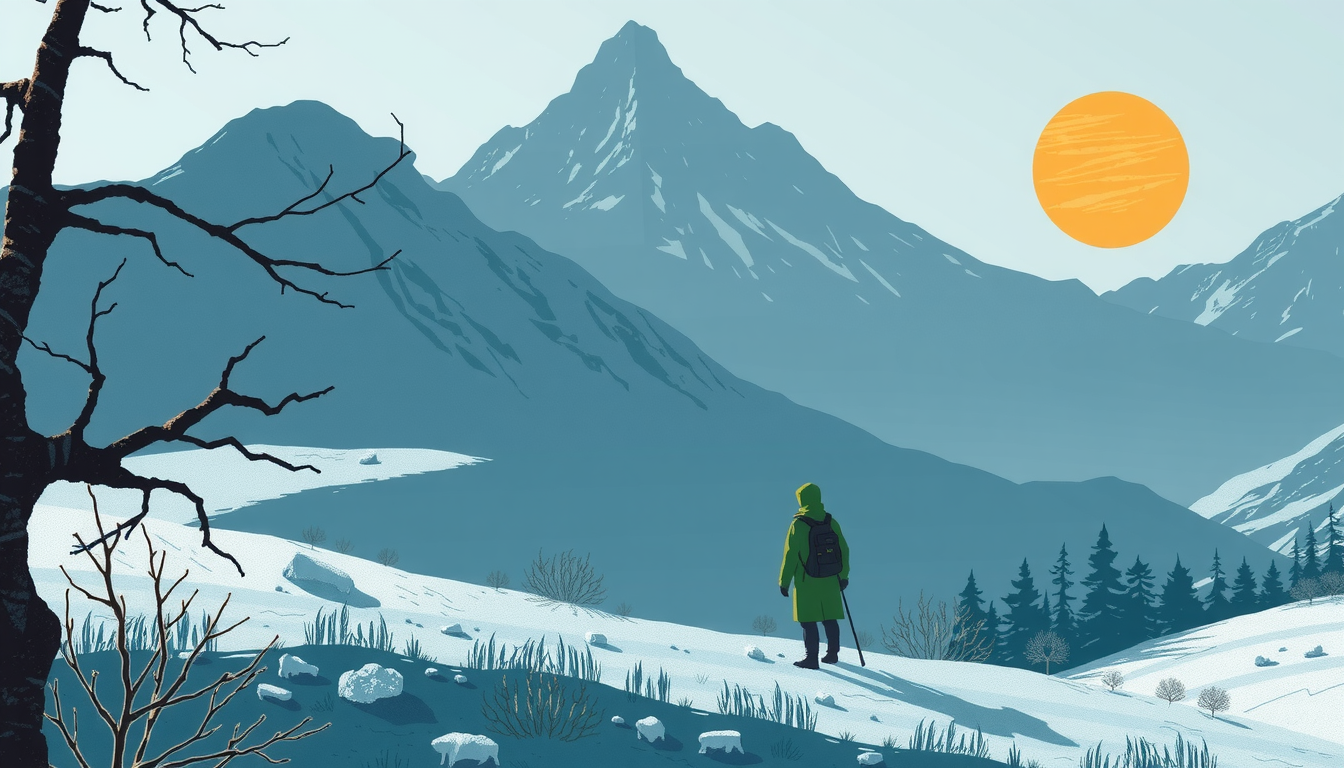
Leaving climate-controlled rooms behind shocks the human system. Biting wind and freezing rain make people desperately miss their expensive ergonomic desk chairs. We flip the script on that temporary misery. Terrible weather becomes just another physical design constraint. Huddling beneath a dripping cedar branch to sketch a user flow demands absolute, undivided focus. A quiet office environment never pushes a designer that hard. Mud-caked boots and numb fingers drag you violently into the present moment. The freezing cold snaps your brain out of the mindless social media scroll. The physical bite of the harsh outdoors strips away every ounce of digital noise. You are left completely alone with the work.
The Final Harvest
Trading a polished desk for damp dirt permanently rewires the creative brain. The blueprint is incredibly simple. Adopt the 20-5-3 habit to guarantee actual time spent outside. Leave the glowing screens behind. Shove a waterproof notebook into your jacket pocket to give your strained eyes a rest. Move your feet across unpaved ground. Let the dirt trail deliver that 60 percent bump in pure imagination. Steal the striking colors and chaotic sounds of the wild for your own projects. The woods hold an endless supply of raw materials. You just have to open the front door and walk outside.