The Profound Benefits of Trekking in Mountains: Lessons from the High Landscapes
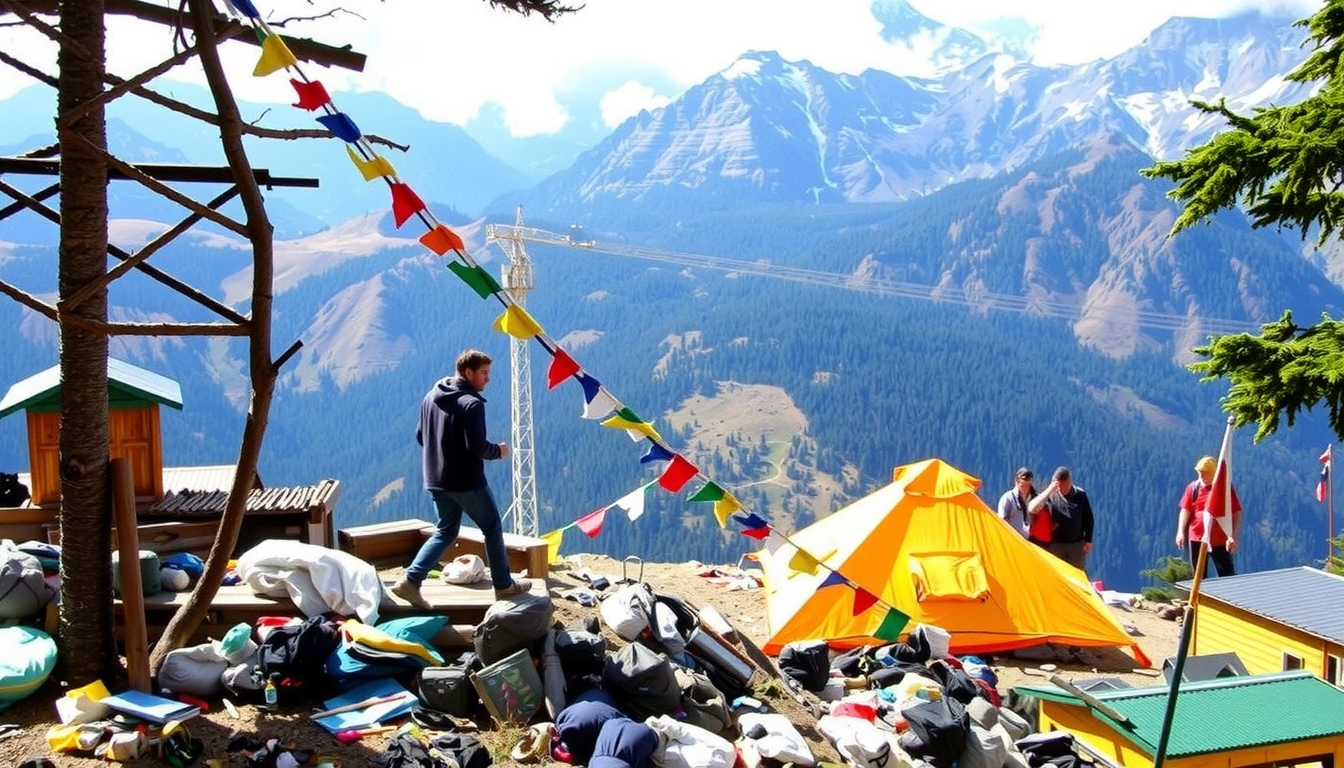
Air turns violently thin past the 10,000-foot mark. Down in the valley, modern life screams for attention. Up here, silence rules. You hear nothing but the heavy scrape of boots dragging across granite. Guiding teams up the Khumbu Valley exposes a raw, naked moment. Altitude completely crushes a climber’s ego. Bodies panic. Minds reset. In that exact instant, you discover the true benefits of trekking in mountains. Leaving civilization behind forces a brutal tear-down of your internal wiring. High places rewrite your baseline for stress, pain tolerance, and mental clarity. Embracing the harsh realities of the Himalayas builds the exact armor you need to survive towering peaks and the daily grind of corporate warfare.
Physical Benefits of Trekking in Mountains: The Shift at 14,000 Feet
Breathing at high elevation feels like sucking wind through a crushed cocktail straw. Deprivation hits fast. Your body reads this as a dire survival event. It launches a wild biological response. Cross the 10,000-foot threshold, and within forty-eight hours, your kidneys flood your system with erythropoietin. This hormone screams at your bone marrow. Pump out red blood cells. Massive volumes. A 2018 clinical observation published in the Journal of Applied Physiology tracked climbers spending three weeks at altitude. They recorded a 20 percent jump in total red blood cell mass. Long after you return to sea level, your heart and lungs retain this upgraded gear.
You can trigger this biological shift on your own ascent. Climbers call it pressure-breathing. Exhale hard through tightly pursed lips. This creates positive pressure inside the lungs, shoving extra oxygen directly into your bloodstream. We force every single climber to do this nearing base camp. It keeps oxygen saturation safe and wards off acute mountain sickness. The physical changes go far beyond lung capacity. Metabolism switches gears to burn deep fat stores. Miles of loose, jagged rock strengthen ankle and core stabilizers far better than any gym routine.
Mental Resilience Forged in the Death Zone Margins
The hardest lessons hit us during a whiteout blizzard near Thorong La Pass. Temperatures plummeted to minus fifteen degrees Celsius. Winds howled through the gorge at forty miles per hour. Motivation dies instantly in those conditions. The sheer, terrifying scale of the Annapurna circuit beats any lingering entitlement out of you. Surviving means abandoning the big picture completely. Summit ridges vanish behind blinding snow. Hands go numb. Looking at the miles ahead just breeds pure despair. Overcoming this exact despair is one of the most powerful benefits of trekking in mountains.
We survive using a tight psychological tactic: the 100-step rule. Commit to exactly one hundred footsteps. Count them out loud. After the hundredth step, you earn a ten-second pause to catch your breath. Start over. This intense hyper-focus on a micro-goal short-circuits the panic reflex. Counting physically anchors a terrified mind. It locks you in the present second. Professional alpinists lean heavily on this routine while weaving through the deadly Khumbu Icefall. They block out the massive, teetering ice seracs above. Their entire universe shrinks to the precise placement of metal crampons on aluminum ladders. Pulling this habit into your daily life hardens your mind against ordinary chaos. Shrink your focus to the next three feet of ice. This bypasses the crushing weight of the entire mountain. Map this exact blueprint onto massive workplace projects. Shattering a giant corporate merger or a dreaded software launch into highly specific daily tasks kills executive paralysis dead. It forces movement.
Neurological Rewiring Through Absolute Disconnection
Cellular service flatlines entirely by the third day on most high-altitude routes. The sudden loss of notifications, endless emails, and algorithmic doom-scrolling triggers a weird withdrawal. Then comes a total neurological wipe. Cognitive psychologist David Strayer from the University of Utah spent decades tracking how nature alters the human brain. His clinical trials are eye-opening. Subjects who spent four days buried in the wilderness, completely severed from digital technology, saw a 50 percent spike in creative problem-solving abilities.
Your prefrontal cortex handles constant task-switching and sustained attention. Up here, it finally gets to sleep. We watch this happen to our climbers right around day four. Their chatter shifts. Frantic complaints about office politics fade out. Deep, quiet conversations about life trajectories take over. Replicating this mental hard-reset requires enforcing a strict digital fast on your next wilderness trip. Shove your smartphone into a waterproof sack at the very bottom of your pack. Declare it a satellite emergency tool only. Do not use it as a camera. Carry a standalone point-and-shoot instead to kill the muscle memory of swiping a screen.
The Architecture of Radical Self-Reliance
Hauling your entire life up a steep grade on your back forces a harsh audit of your needs. A forty-pound pack quickly teaches you the steep penalty of over-preparation. Every extra ounce burns your thighs and grinds your shoulders into paste. The physical pain trains climbers to drop their attachment to luxury items fast.
We tell our clients to gut their gear lists with ruthless precision. Trade the standard sixty-five-liter nylon backpack for a forty-liter Dyneema composite pack. That single swap shaves two and a half pounds off your base weight instantly. Throw out the bulky three-pound tent. Bring a featherlight trekking-pole shelter instead. Pumping your own drinking water from a freezing glacial stream reconnects you to raw survival mechanics. Cooking dehydrated noodles over a tiny, hissing butane flame makes you value basic resources you usually ignore. A dry, warm sleeping bag suddenly feels like absolute royalty. A working headlamp becomes a modern miracle. This shift in perspective permanently wrecks your attachment to mindless consumerism. Extreme minimalism is the best souvenir you can carry out of the high country. True safety does not live inside the objects you carry. It lives in your own flesh and blood. It survives in your ability to endure harsh environments. Surviving a three-day storm with nothing but a sleeping bag and a pocket stove builds massive self-trust. You carry that quiet armor back home.
Returning to the Valley Altered
The long hike down brings you back to the tree line. You walk out an entirely different person. The habits carved into you by the high country demand everyday practice. Apply the 100-step rule the second you face a terrifying project. Schedule strict, 72-hour digital detox windows every quarter. Let your prefrontal cortex heal from the digital assault. Strip away your physical and mental baggage constantly. Drop the heavy, useless weight that drags down your days. Experiencing the true benefits of trekking in mountains burns away the cheap, superficial layers of human identity. It exposes the hard rock underneath. You walk back onto city pavement carrying the lungs of a marathon runner and the icy, quiet resolve of an alpinist.