Himalayan Trekking Guide: A Beginner’s Blueprint for High-Altitude Adventures
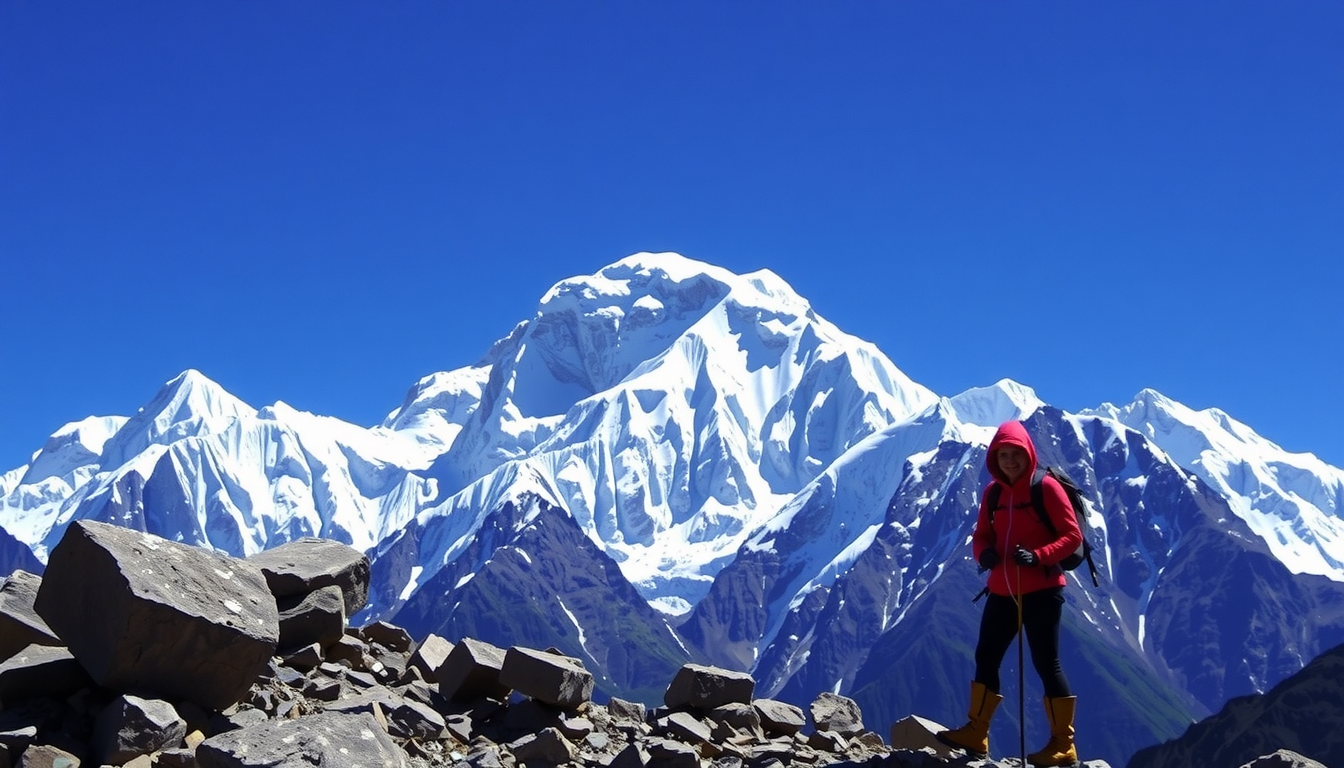
The Khumbu Valley shatters your sense of scale instantly. It strikes with physical force. Jagged rock spires tear the sky open. Everything else shrinks to dust. I have guided hundreds of ordinary folks up these ancient dirt paths. Nervous city dwellers arrive. Hardened mountain walkers leave. Getting them up there demands raw effort. That is the exact reason I built this Himalayan trekking guide. I hand my climbers this exact manual to prepare them for the sheer physical brutality of the high ranges. Fitness demands, mental grit, and gear for Himalayan trekking beginners are broken down here to keep you breathing and moving forward.
The Physiology of Ascent and Thin Air
The air thins out violently past 3,000 meters. Everest Base Camp rests at 5,364 meters. A single gasp up there delivers half the oxygen of a sea-level breath. Your chest heaves. Your pulse hammers. Standing still burns calories. I drill a single rule into my climbers. Climb high, sleep low. You push your lungs up the ridges during daylight. Then you retreat to a lower elevation to sleep. This forces your system to adjust to the sparse oxygen safely. Ignore this routine and mountain sickness drops you. Your trip ends on the dirt. Dedicated rest days must sit permanently on your itinerary. Namche Bazaar at 3,440 meters remains mandatory. Dingboche at 4,410 meters is equally non-negotiable. Lingering at these precise heights grants your biology the time to forge the red blood cells required for survival.
Curating Your Kit with Precision
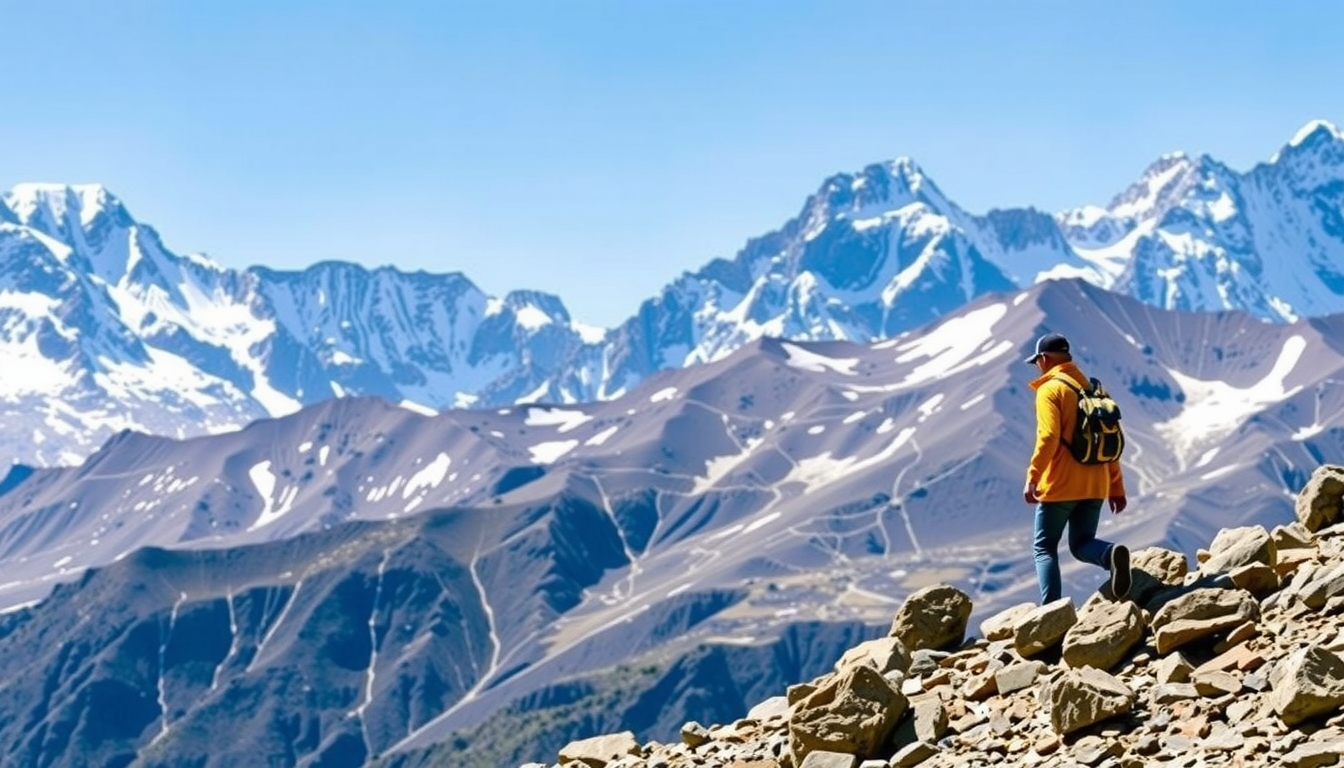
Shoddy equipment turns a harsh walk into a fight for survival. Nailing the right gear for Himalayan trekking beginners requires zero fashion sense. I demand a strict three-layer defense. Grab a 100-percent Merino wool base layer first. It strips sweat off your skin and holds heat even when soaking wet. Cotton just hoards moisture. That wet layer turns to a sheet of ice against your spine when temperatures plummet below freezing. The mid-layer comes next. Grab a high-loft fleece or a synthetic piece like the Patagonia Nano Puff to trap heat without adding useless bulk. Seal everything under a Gore-Tex Pro shell. Demand a 28,000mm waterproof rating to deaden biting winds and block violent snowstorms completely.
Footwear dictates your fate. Buy a Category B trekking boot. Hunt for a stiff sole paired with tall ankle support. Grind at least fifty miles into those soles before your flight ever touches down in Kathmandu. Blisters on day two of a two-week march equal pure agony. Pull on heavy woolen socks. Stash rigid zinc oxide tape inside your pocket at all times. Slap that tape over your skin the exact second you feel friction.
Physical Conditioning Before Departure
Arriving in Nepal lacking raw fitness is a fatal error. I run my climbers through a twelve-week physical gauntlet. That stair machine at your local gym must become your closest friend. Load a pack. Toss in ten pounds to start. Ramp that burden up to twenty-five pounds as weeks pass to simulate your actual trail weight. Attack local hills on your weekends. Target six to eight hours of relentless walking over uneven dirt and loose rocks. A powerful heart processes thin air with less strain. Punishing your lungs at sea level keeps you far safer up at 4,000 meters. Forging leg strength is non-negotiable. Drop into heavy squats. Execute lunges. Your joints will owe you a massive debt when you hit three hours of brutal, steep stone stairs dropping into a valley.
Sustaining the Engine at Altitude
Forcing food down at high elevations is a miserable chore. Altitude massacres your appetite. You still burn up to 6,000 calories every twenty-four hours. I make every climber on my roster drink fluids constantly. You require four to five liters of water daily. Purify every drop with tablets or a mechanical filter like the Katadyn BeFree. Freezing temperatures trick your brain. Thirst vanishes completely. I enforce strict drinking breaks to stop hidden dehydration in its tracks.
Calories dictate your pace. The local staple Dal Bhat fuels the entire region. Lentil soup, heavy rice, and vegetable curry make up the plate. It floods your exhausted muscles with dense carbohydrates. Endless refills flow freely at every teahouse along the path. Choking down nothing but imported energy bars guarantees a rapid physical crash. Eat the exact meals the locals eat. That heavy fuel keeps your boots moving day after day.
The Mental Game of the Long Haul
Raw muscle only carries you halfway. The true war rages inside your skull. Endless inclines drag on for hours. I guided a client named Sarah once. She ran marathons for fun. The punishing incline to the Tengboche Monastery absolutely shattered her. She attempted her normal walking pace. Her lungs gave out in twenty minutes flat. I had to drill the rest step into her routine. You lock your back knee on every single upward stride. That tiny pause drops your body weight directly onto your skeleton instead of frying your quads. It sounds trivial. It saves massive reserves of energy across an eight-hour march. Local porters repeat Bistari, Bistari. That translates to slowly, slowly. Treat that phrase as absolute law. Rushing guarantees a collapse. Locking into a slow, steady rhythm gets you safely to the lodge before the sun disappears.
The Final Ascent: Essential Himalayan Trekking Guide Takeaways
Surviving these massive ranges demands deep respect for the jagged terrain. Follow these rigid rules to make it out and back in one piece.
- Buy the right layers: Secure the exact gear for Himalayan trekking beginners. Buy Merino wool base layers and a thick Gore-Tex shell to block violent weather swings.
- Respect the thin air: Follow the altitude schedule without exception. Hike high and sleep low to dodge mountain sickness completely.
- Drink constantly: Force down four liters of purified water daily. Ignore the complete lack of thirst in the freezing cold.
- Walk slowly: Rely on the rest step. Move at a deliberate crawl to hoard your physical strength for the long weeks ahead.
This Himalayan trekking guide delivers the raw facts you need to survive the tallest peaks on earth. These valleys will strip you down to your absolute core. Walking away from them alters your concept of human limits forever.