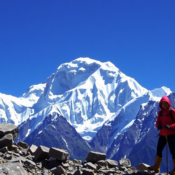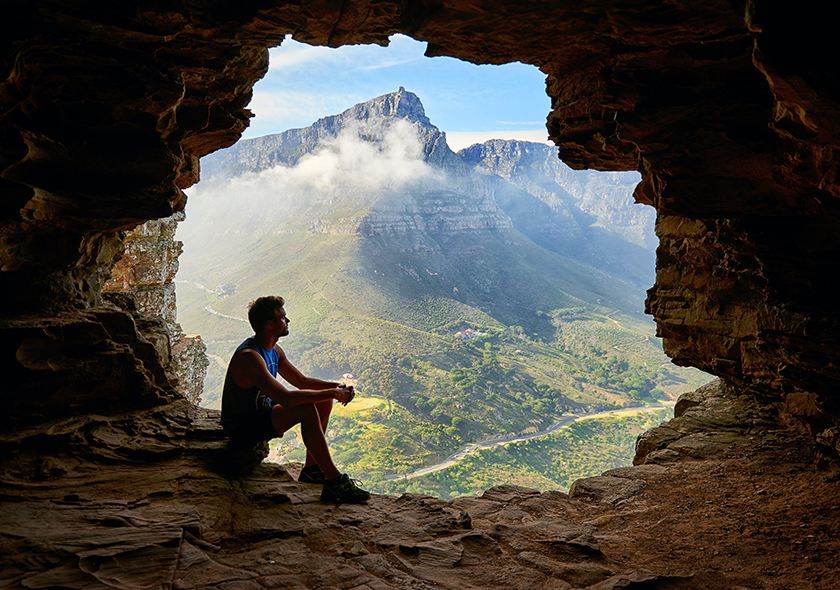
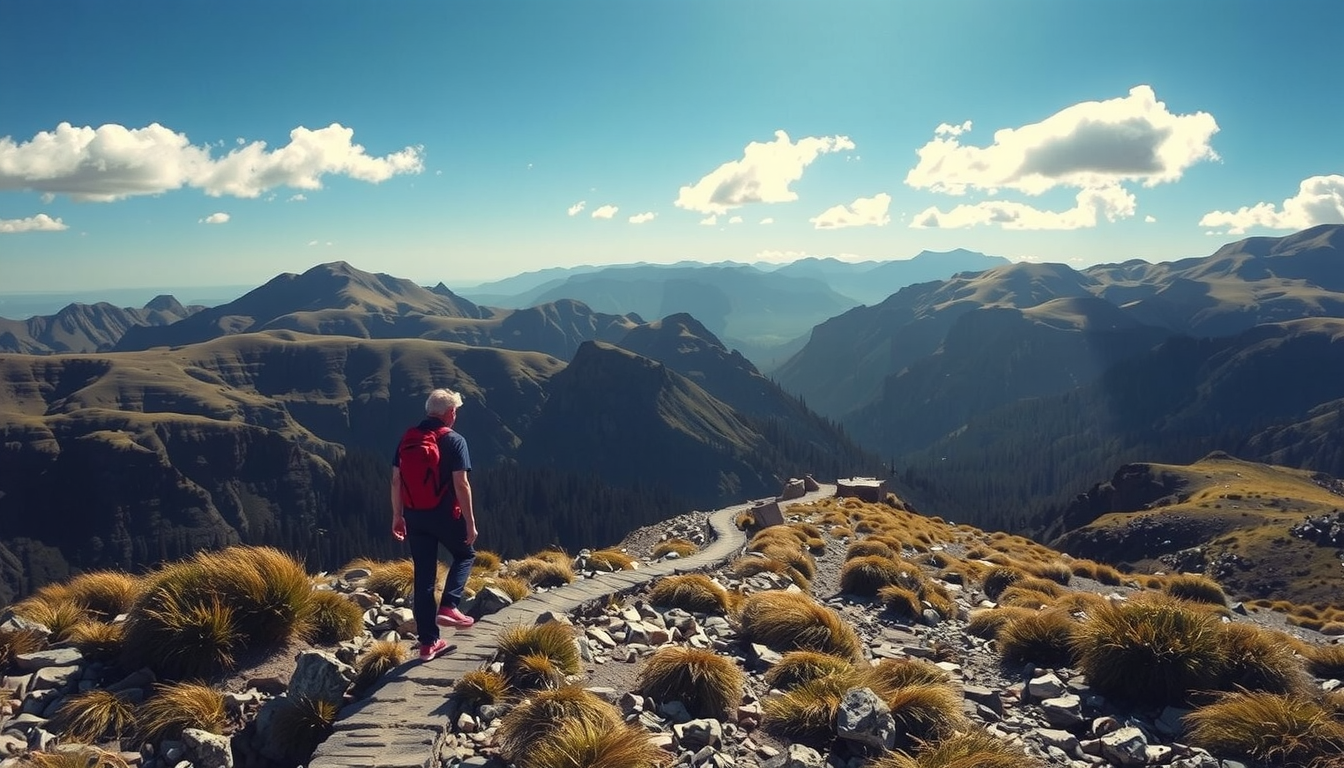
Walking in Nature Benefits: Why Slow Exploration Changes How We See Landscapes
Speed turns ecosystems into blurred green smears. We blast past ancient woods at sixty miles per hour. Even on foot, modern recreation worships velocity. Hikers treat trails like racetracks. They sprint for the peak, snap a rapid photo, and rush back to the trailhead. Breaking that frantic habit changes everything. Boot rubber settling into dirt forces the wild back into sharp focus. Dropping your pace to a gentle three miles per hour alters sensory intake. You stop gulping down the views. You start reading the living dirt.
The Human-Speed Phenomenon
Our brains and eyes evolved for a slow walk. Driving fast forces brutal tunnel vision. The visual field violently shrinks down to forty degrees. The mind filters out the blur. Drop to a deliberate stroll. Your vision blooms outward to its full, nearly 180-degree span. Suddenly, you catch a red-tailed hawk carving tight circles high in the periphery. You hear dry leaves rustling over a hidden creek.
A human gait alters both time and space. Rhythmic footfalls act as biological metronomes. Breathing deepens. The heart settles into a calm rhythm. This steady pace sends a clear safety signal straight to the nervous system. The body glides out of panicked fight-or-flight mode. It settles into a restorative rest-and-digest state. Pupils widen to catch ambient light. The woods stop looking like a flat, green wall. The space turns into a deeply textured room. You trace the serrated edges of a wild fern instead of blindly marching past.
I remember dragging a heavy pack along a remote stretch of the Appalachian Trail. The agonizingly slow pace drove me crazy at first. That frustration vanished the second I spotted a large timber rattlesnake. The reptile rested on a sun-baked granite slab right near my boot. Moving faster meant missing a beautiful predator. I might have stepped directly onto its coils. Shifting into low gear cures the blindness masking tiny ecosystems bustling right at our ankles.
Cognitive Rewiring for Micro-Observations
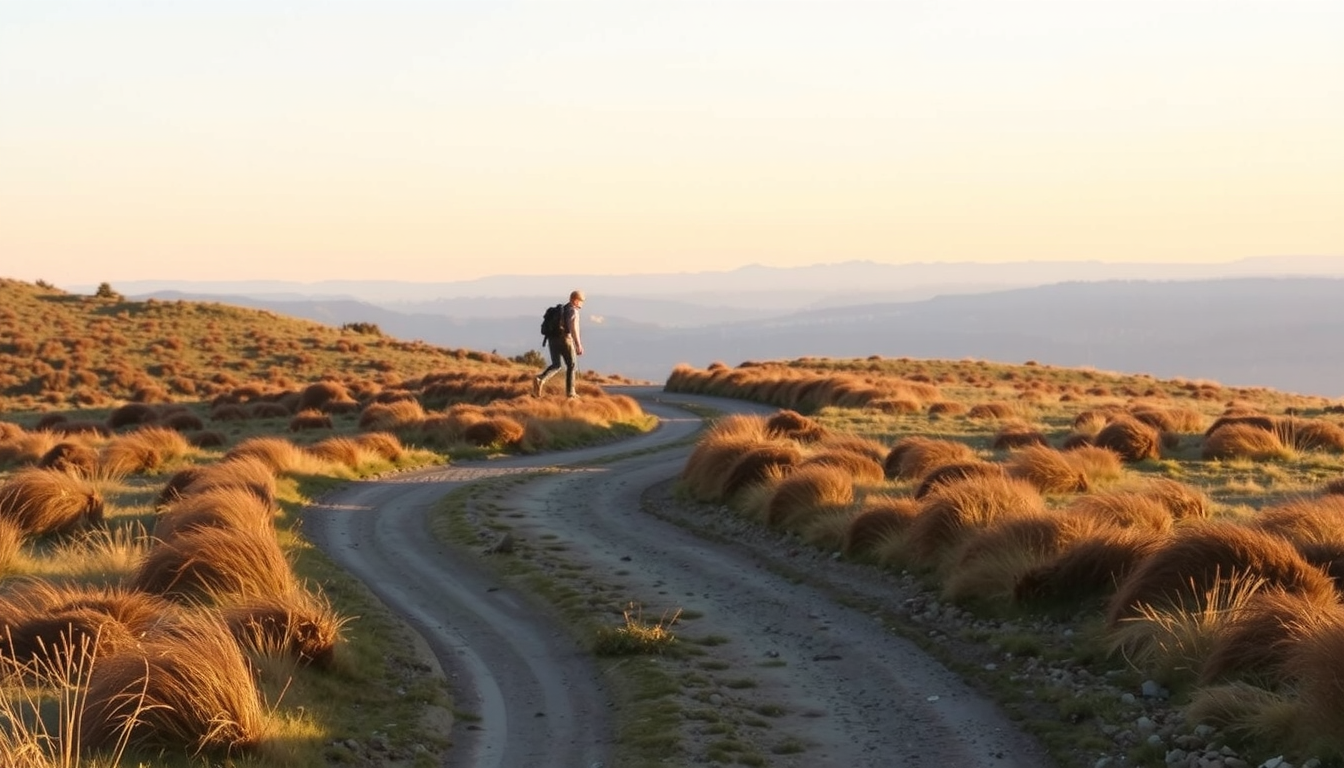
Walking mechanically links the left and right brain hemispheres. A strolling mind endlessly tracks distance, depth, and physical space. Sensory gates swing open. Expert wilderness trackers channel this mental state using a strict habit called Layered Seeing. You start by staring at the dirt for ten full minutes. You study the gritty soil. You watch ground insects scramble. You memorize the curled shapes of dead leaves.
Next, lift your gaze. Spend ten minutes scanning the mid-ground. Inspect rough tree bark, tangled lower branches, and thick brush. Finally, look up to the high canopy and the far skyline. Slicing the terrain into visual bands prevents sensory overload. It builds a deeply detailed mental map.
Adding sound multiplies this awareness. Stop every twenty minutes. Close your eyes tight. Isolate three separate noises. This drill forces the mind to process spatial data in the dark. You locate a distant woodpecker. You map wind rattling a specific cluster of dry oak leaves. You track the low hum of water rushing over rocks. This routine permanently sharpens your situational radar.
Tangible Physiological Walking in Nature Benefits
A slow hike leaves a measurable scientific trace. Gregory Bratman led a 2015 study at Stanford University detailing these exact shifts. A ninety-minute stroll through a natural setting sharply lowered neural activity in the subgenual prefrontal cortex. This brain zone drives heavy rumination and looping negative thoughts. Participants who walked along paved urban streets during the exact same study experienced zero relief.
Mental clarity is only half the story. Breathing deep inside a dense forest floods your lungs with phytoncides. Trees release these airborne organic oils to fend off rotting diseases and hungry insects. Dr. Qing Li at the Nippon Medical School in Tokyo discovered that inhaling these compounds triggers an immense spike in natural killer cells within the human immune system. These specialized white blood cells actively patrol the body to hunt down and destroy compromised cells.
To fully experience these physical perks, silence your smartphone. Turn on airplane mode. Constant digital buzzes and app alerts sever the fragile link connecting your senses to the dirt. They neutralize the mental perks of being outdoors. The raw, uneven ground of a natural trail forces constant, tiny physical adjustments. Ankles, knees, and core muscles fire rapidly to keep you upright. Navigating roots and rocks burns up to twenty-eight percent more calories than marching down a flat sidewalk.
Decoding the Landscape Like a Topographical Map
A quiet walker sheds the role of passive spectator. You join the ecosystem. The woods become an open book. The sudden bloom of dark, damp soil mixed with broad-leafed skunk cabbage always points to a hidden underground spring. Moss clings thicker and greener to the northern side of oak trees. The forest grows its own compass for anyone paying attention.
My team heavily relied on these quiet physical clues during a grueling backcountry push through the Pacific Northwest. Thick fog rolled in. Our GPS units lost satellite connection entirely. We had to track the subtle shift from dry-climate Douglas firs to moisture-craving Sitka spruces. That specific change in the timber told us we were nearing the salty, humid air of the coastline. The land mutters its secrets to anyone walking slowly enough to listen.
Finding a sudden patch of young, skinny birch trees deep inside an ancient pine grove tells a violent story. A past wildfire or a focused logging crew ripped away the heavy canopy. Sunlight woke up dormant seeds hiding in the dirt. Spotting these succession patterns turns a boring hike into a vivid journey through time. You watch the brutal fight for sunlight. You see roots trading nutrients with deep fungi. You track the slow, stubborn carving of the earth by wind and rain. Build your ecological literacy by identifying one fresh plant species on every single hike. Note the exact dirt, moisture, and shade it craves. This simple habit turns a silent forest into a highly legible web of raw data.
The Final Steps to Conscious Exploration
Shedding the skin of a rushed tourist demands deliberate braking. First, lean into the Layered Seeing technique. Digest foreground, mid-ground, and background details without frying your visual cortex. Second, enforce a strict ninety-minute digital blackout during your hikes. This fires up the subgenual prefrontal cortex and bleeds off mental fatigue. Third, treat the wild brush and mud as a living topographical map. Use specific plants and soil textures to read the local microclimate. Slowing down to human speed strips away the blur. It exposes the raw, hidden architecture of the wild.